| 15/7/2020 - added Facebook posts
to - personal page, WAW page - G News & Views group & Glynneath Residents
group - The focus was on the last day to object and on the
possible flooding in
Woodland Park and Brynhyfryd.
https://www.facebook.com/groups/369552746753067/permalink/1144873489220985/
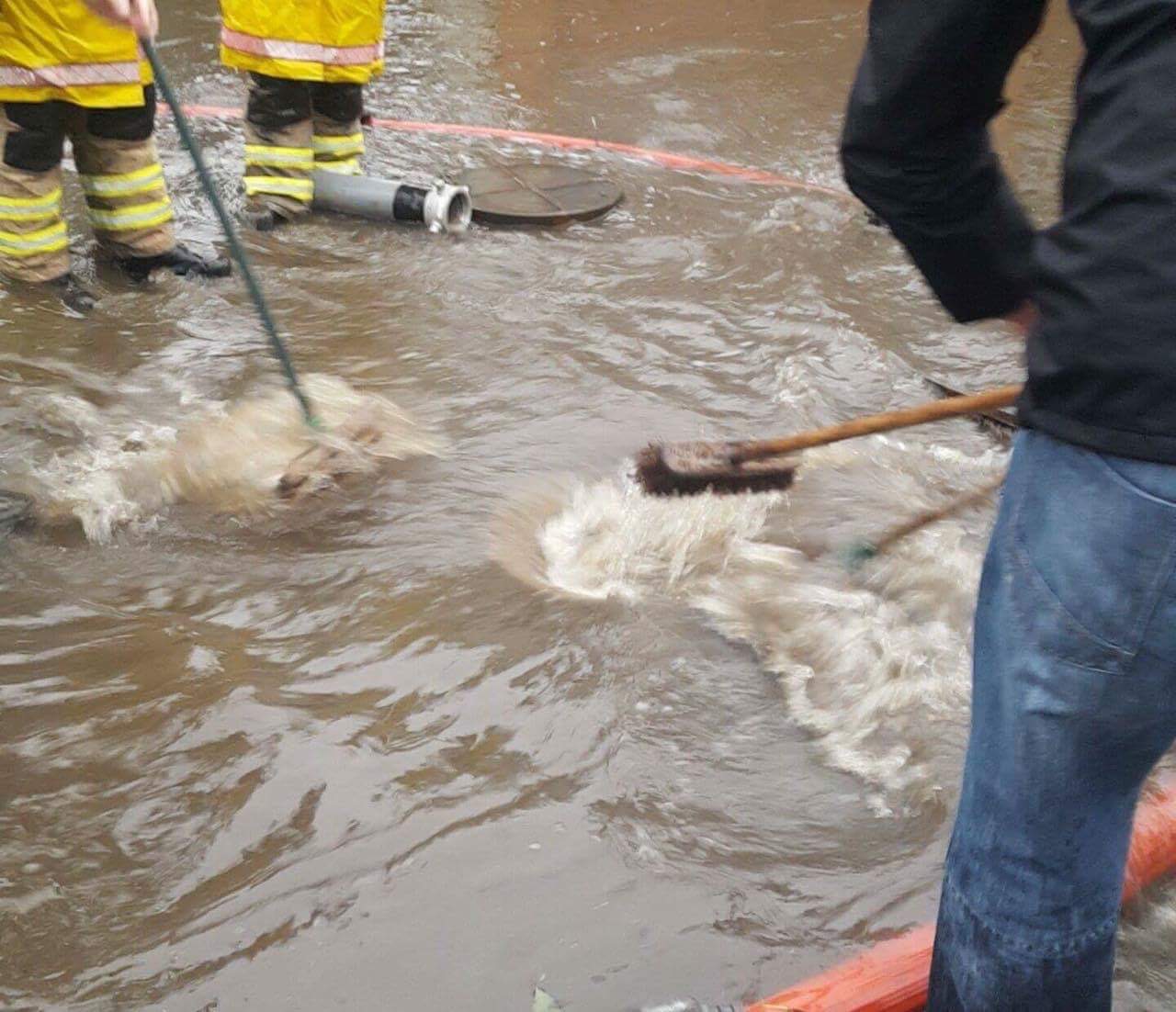
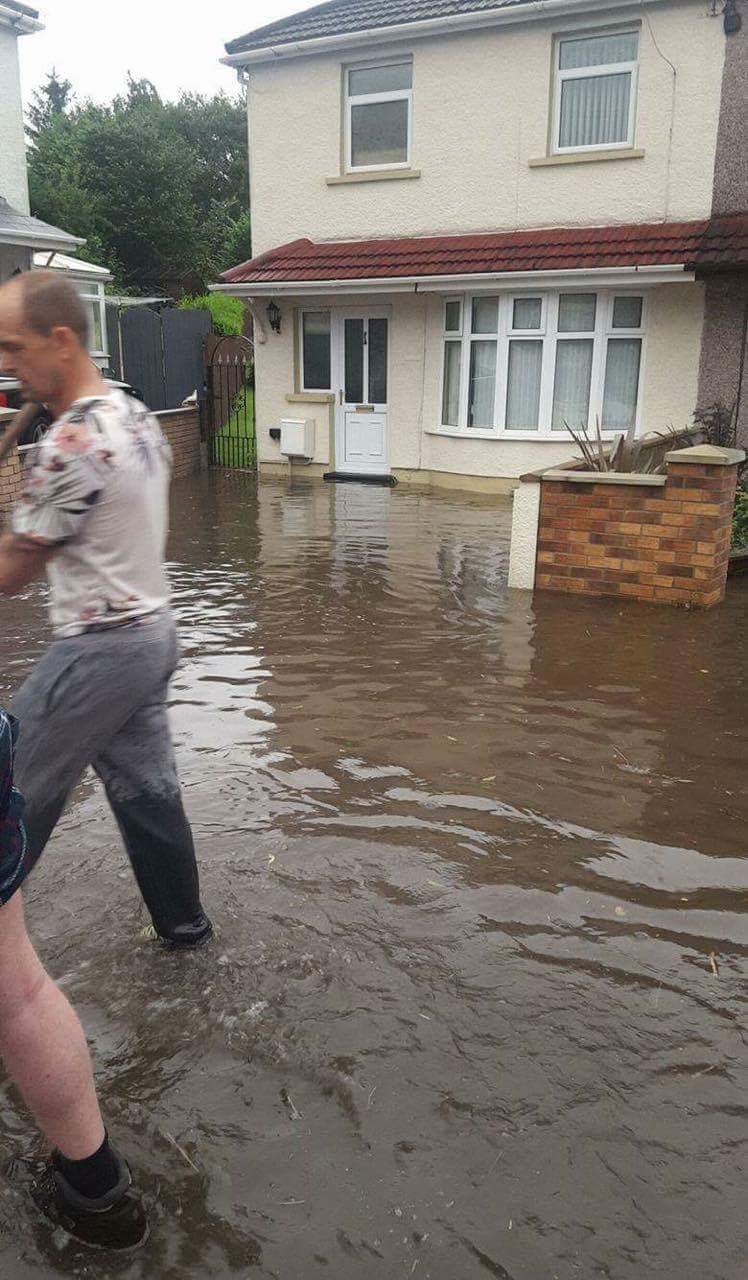
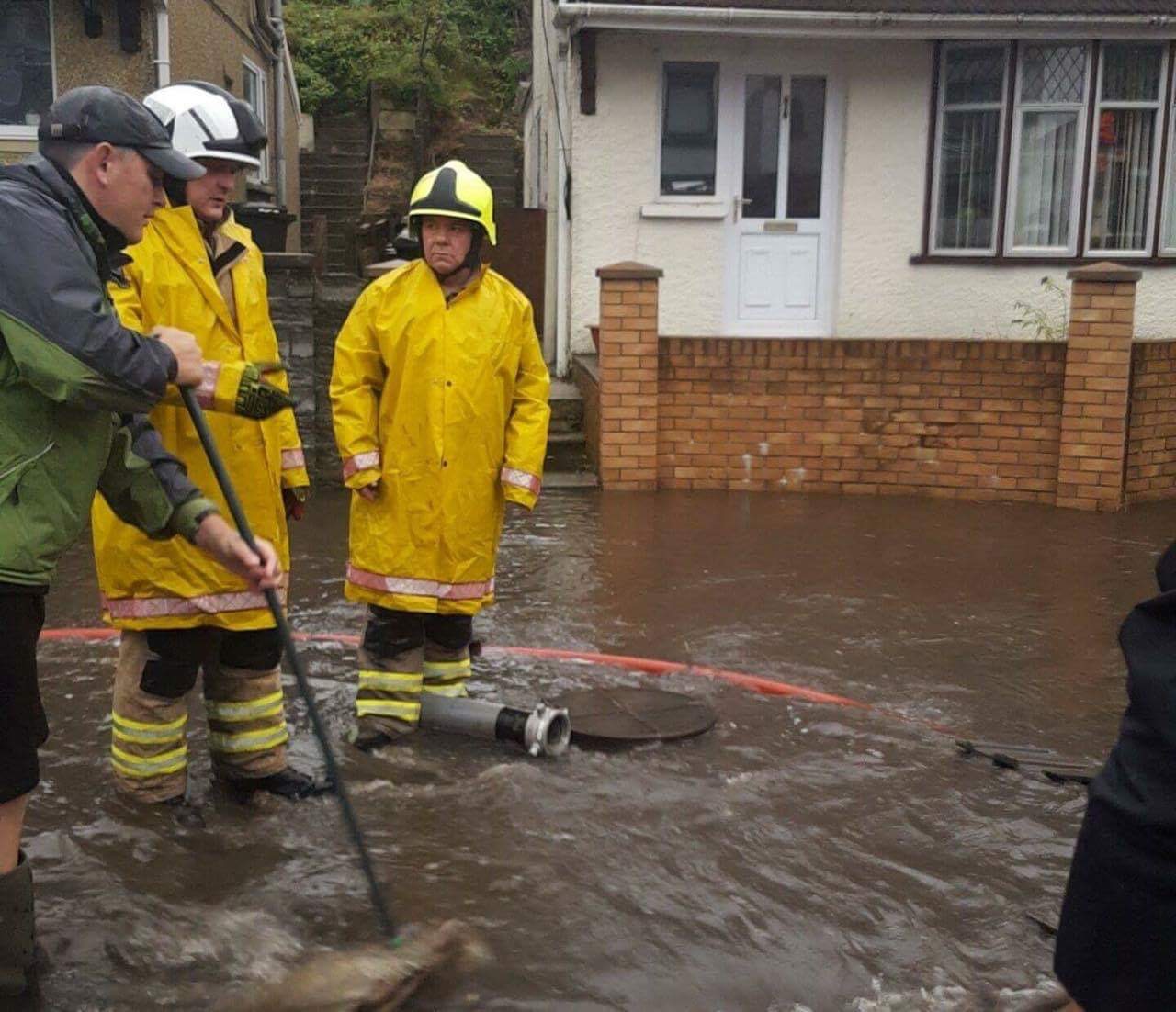
Pictured are a couple of firemen helping out on the mop up operation in Woodland Park after a torrential downpour in 2016. Tomorrow is the last day for objecting to the current Enzo plans which include tunnelling the stream that runs behind Brynhyfryd. Presently the stream catches 100% of the surface water that flows down from the site in heavy rain. If the stream gets tunnelled the any water not caught by the drainage system on the new site will flow to lower Brynhyfryd or Woodland Park and will increase the flooding that is already happening in both locations. The Nature report that is accompanying the plans says that the stream should be kept open because it is a Site of Importance for Nature Conservation. Please join with us in objecting to these plans. You will need to include the following information The
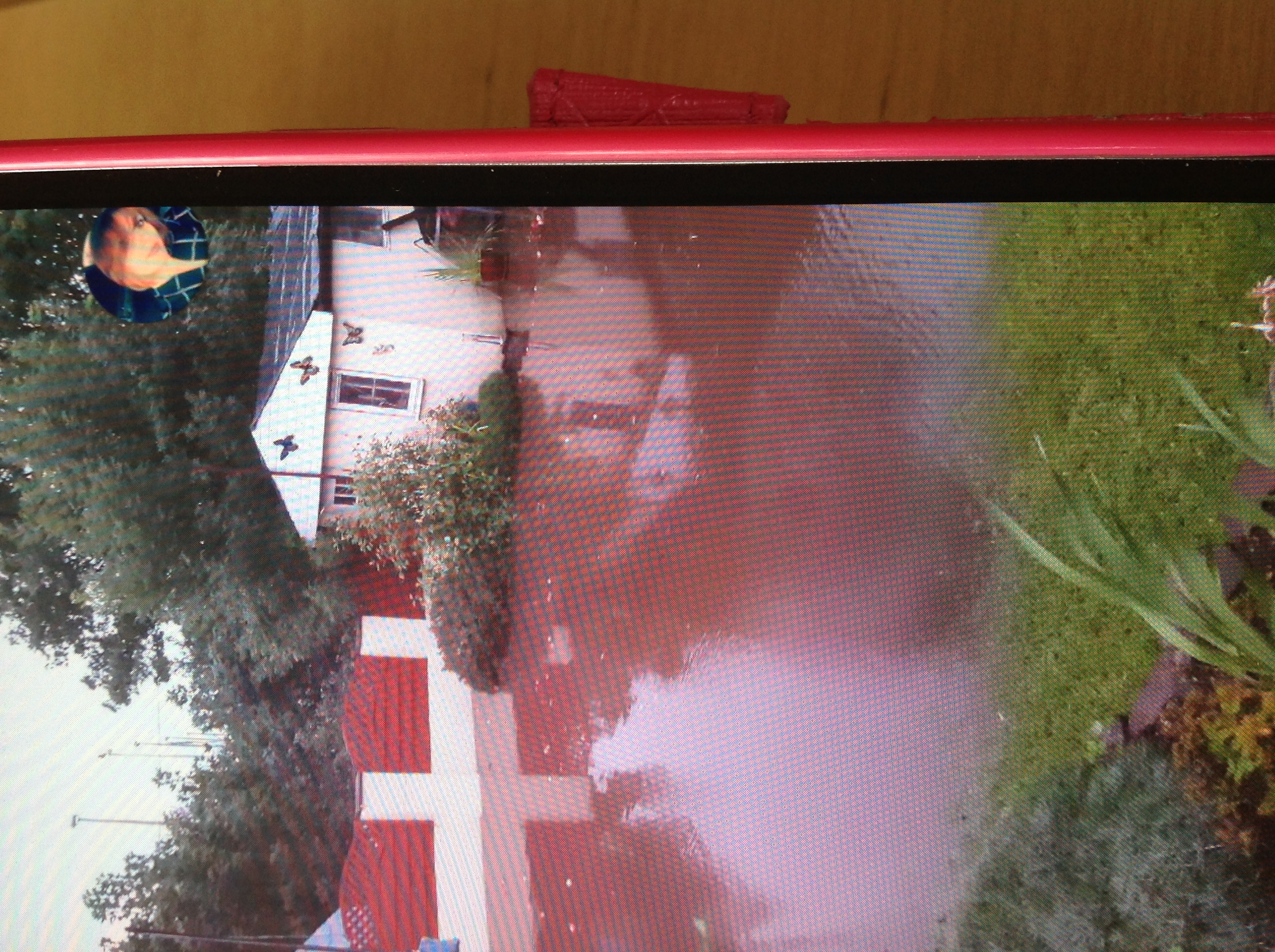
date: I would like to object to the culverting of the stream as proposed in the site plans based upon the following observations and evidence provided by the "Ecological Appraisal Report" FLOODING - Culverting the stream will increase the run of off surface water from the site to lower parts of Brynhyfryd and Woodland Park. The stream runs the complete length of Brynhyfryd and captures 100% surface water run off from the current land area of the site. If the stream is culverted then any water bypassing the on-site drainage will increase the flooding that is currently taking place in the lower parts of Brynhyfryd and Woodland Park during periods of heavy rain, storm periods and torrential downpours. It is impossible for the on-site drainage system to capture all rainfall and removing the stream will increase significantly flooding to the lower parts of Brynhyfryd and Woodland Park. PRIVACY - Culverting the stream will bring the development houses back to back with the Brynhyfryd houses and there will be a loss of privacy to the property with in many cases the new houses overlooking the residents of Brynhyfryd. CONTAMINATION - Culverting the stream will increase the danger of the carcinogens in the contaminated land and other toxic waste illegally dumped on the land affecting the health of residents. This resident would like to see a professional resident led testing of the tipped material on the site. CONSERVATION - Together will the above reasons, this resident is in agreement with the following recommendations of the "Ecological Appraisal Report:" and would like to highlight the fact that the stream is a Site of Importance for Nature Conservation which provides evidence that culverting the stream would have a negative impact on the natural wildlife of the area. They would like to quote the following paragraphs from the report: 5.2.2 Scrub and trees should be retained wherever possible, particularly where they offer connectivity to adjacent habitats. 5.3.1 - The stream is a SINC (Site of Importance for Nature Conservation) and considered to provide habitat for a range of species. It is therefore recommended that it is retained in its current state (i.e. open, and not culverted), and protected from effects of development during construction and operational phase. A drainage plan will inform appropriate protection of the stream and any ditches/associated features beyond the site. A minimum 7m vegetated buffer is required to protect the watercourse for Otter and Water Vole. 5.7.1 The stream should be retained and protected from development (as 5.3.1 above). A method statement and mitigation plan should be prepared in order to protect amphibians during site clearance and construction.
5.10.2 Planning authorities must seek to maintain and enhance biodiversity in the exercise of their functions. This means development should not cause any significant loss of habitats or populations of species, locally or nationally and must provide a net benefit for biodiversity.
|