|
PSP - ORIGINAL NOTES |
- LINKS
background key green - complete - yellow - working on - white - to do
| 8/3/2021 |
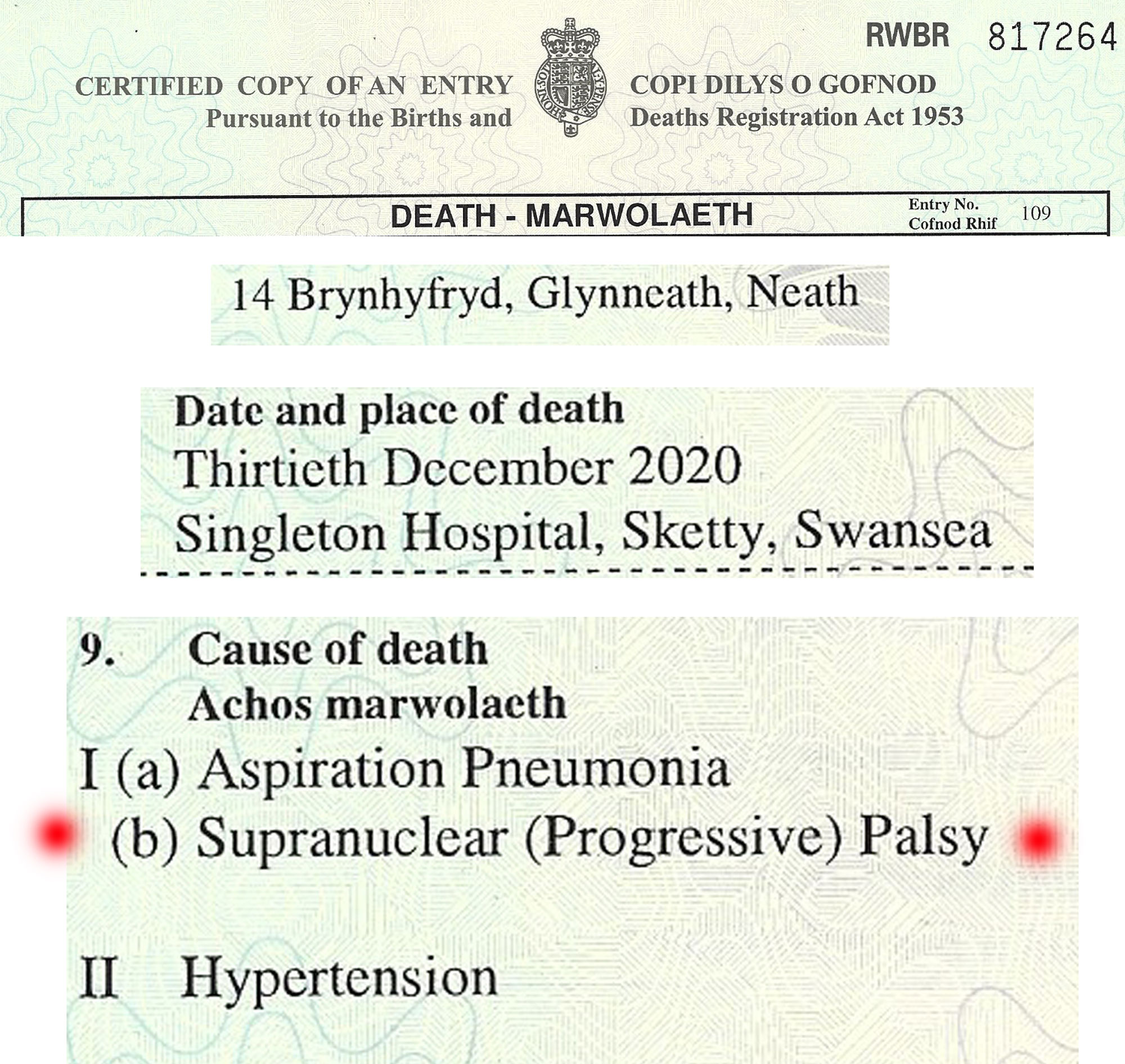
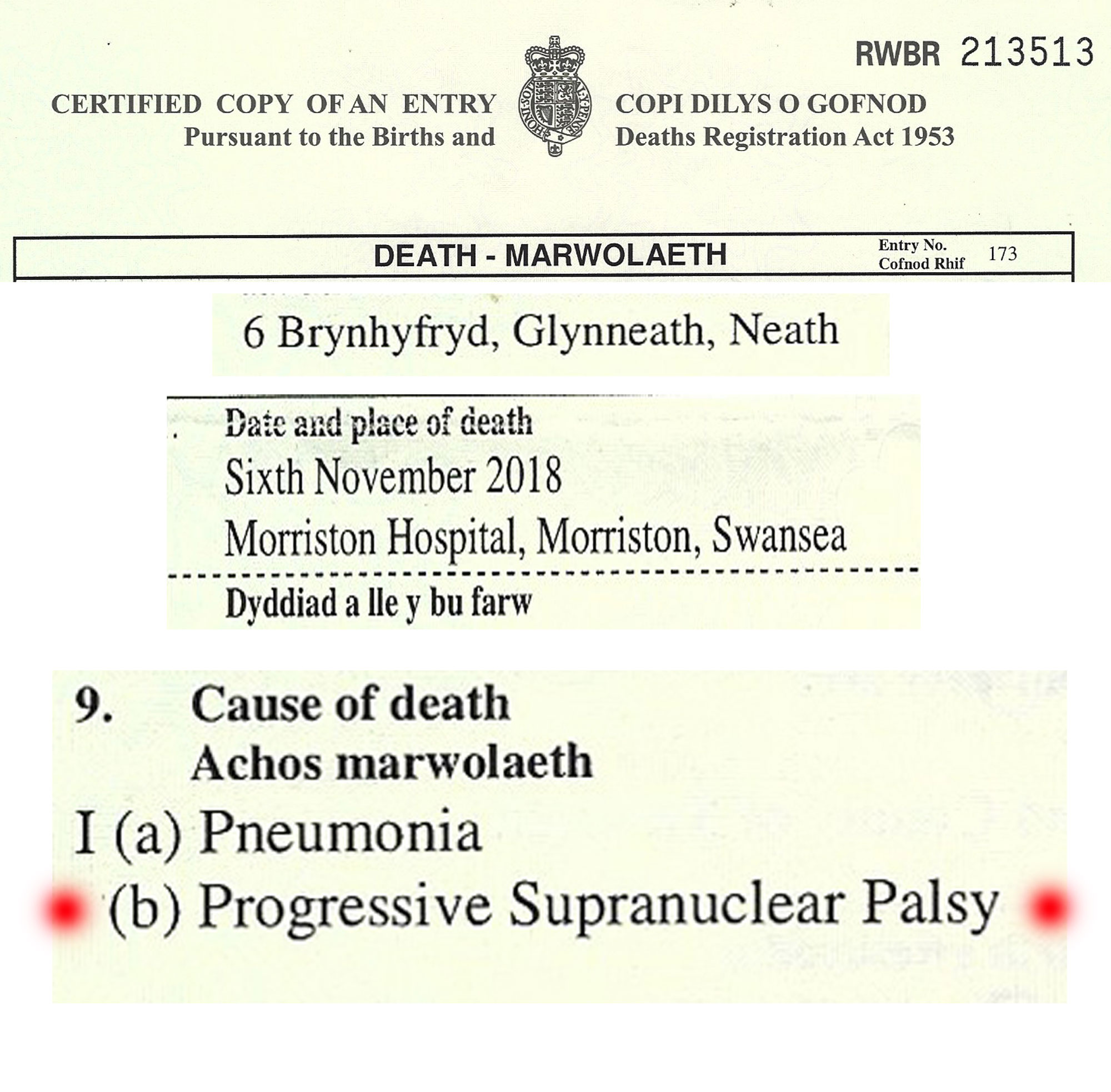
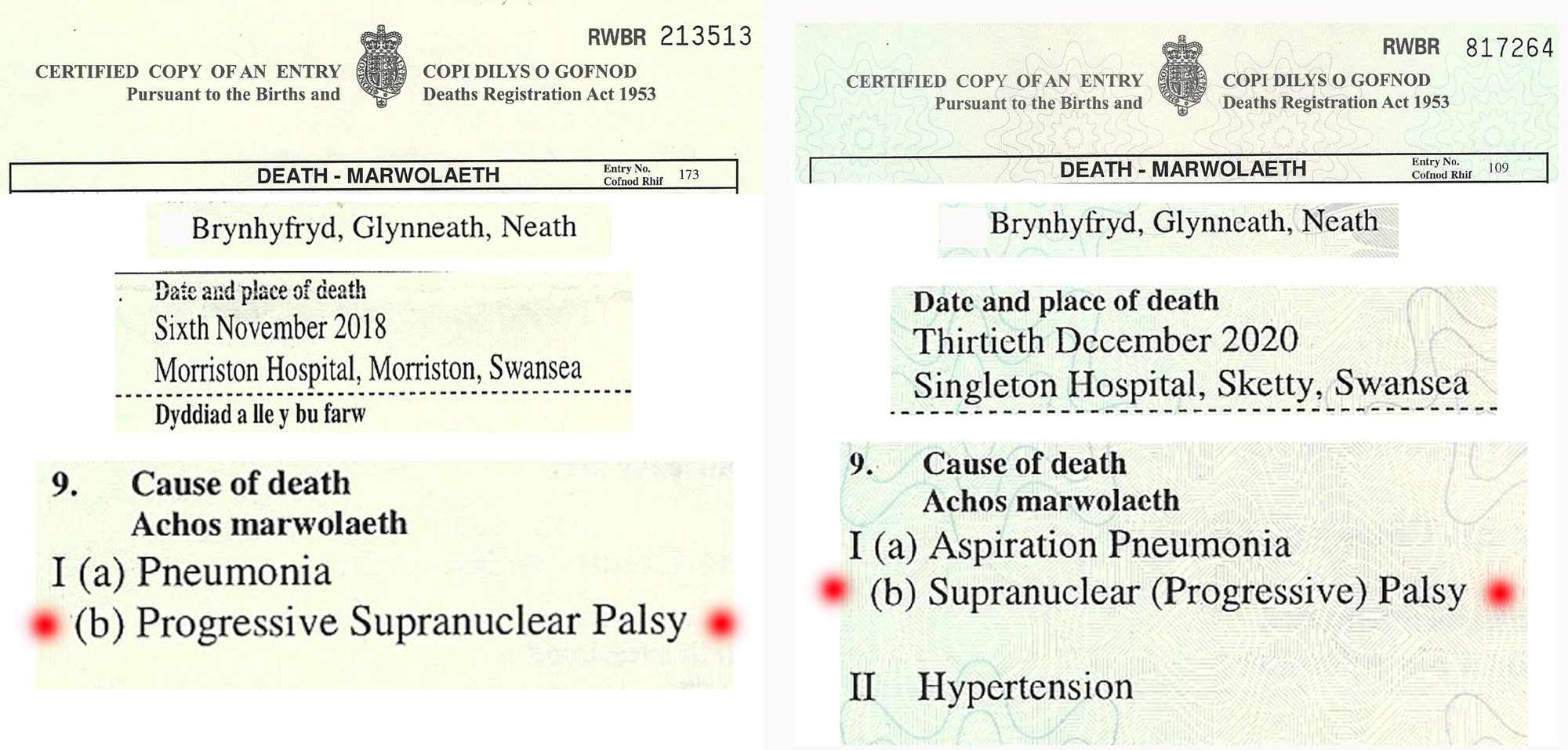
Progressive supranuclear palsy - Alwyn Phillips - Tegwyn Peters
https://www.nhs.uk/conditions/progressive-supranuclear-palsy-psp/ |
|
| 8/3/2021 | PSP - Progressive supranuclear palsy
NHS website - https://www.nhs.uk/conditions/progressive-supranuclear-palsy-psp/ Search term: Progressive supranuclear palsy contamination https://www.nature.com/articles/s41598-019-56930-w Overall, this study suggests that chromium and nickel could contribute to the pathophysiology of tauopathies such as PSP by promoting tau accumulation and neuronal cell death.
|
|
| 8/3/2021 | Search term: Progressive supranuclear palsy
contamination
https://www.nature.com/articles/s41598-019-56930-w Overall, this study suggests that chromium and nickel could contribute to the pathophysiology of tauopathies such as PSP by promoting tau accumulation and neuronal cell death. |
|
| 8/3/2021 | Search term: Progressive supranuclear palsy
contamination
https://www.ncbi.nlm.nih.gov/pmc/articles/PMC4617163/ A general study that took a a large number of diagnosed patients and worked out commonalities. |
|
| 8/3/2021 | Search term: Progressive supranuclear palsy
contamination
https://n.neurology.org/content/85/15/1293 - abstract only - a study that looks at a high occurence of PSP in a heavy industrialized area of France. |
|
| 8/3/2021 | Search term: Progressive supranuclear palsy
contamination
PSP.org - https://www.psp.org/iwanttolearn/progressive-supranuclear-palsy/ "There is evidence that chemicals in the environment or diet may contribute to the cause of PSP. Surveys of PSP patients have shown, on average, lesser educational attainment in people with PSP. This suggests that part of the cause of PSP may be certain occupational factors exposing people to different chemicals than are encountered by people with more sedentary or office-bound occupations. Another possibility is that people with less education tend to live in areas closer to industrial sites, some of which may generate toxins." "Another intriguing geographical cluster of PSP exists in a group of suburban towns in northern France. The area was the site of metal-related industry that contaminated the soil in that area over much of the 20th century. Investigations are now underway to narrow the long list of toxins that could explain this cluster and then to assess the role of such toxins in PSP elsewhere." |
|
| 8/3/2021 | Search term: Progressive supranuclear palsy
contamination
youtube video on PSP research by psp.org doctor - https://youtu.be/rIuh66FFOsw |
|
| 8/3/2021 | Search term: Progressive supranuclear palsy
contamination zinc
https://www.sciencedirect.com/science/article/pii/S0753332218366149 3.2.2. Zinc |
|
| 8/3/2021 | Search term: Progressive supranuclear palsy
contamination.
https://rarediseases.org/rare-diseases/progressive-supranuclear-palsy/ rare diseases - PSP is often misdiagnosed as Parkinson disease, Alzheimer disease, corticobasal degeneration and other neurodegenerative disorders. |
|
| 30/3/2021 | Recently, a non-familial PSP cluster has been identified in a region in the north of France home to metal-related industries that improperly deposit ore waste in residential areas15. Here, we have investigated the neurotoxicity mechanism associated with chromium, nickel and cadmium, three heavy metals contaminating the region where the non-familiar PSP cluster was identified. These three heavy metals are widely used in industry, extremely toxic for humans and have been associated with the development of neurodegenerative diseases19,22,43,44. Therefore, we hypothesized that the chronic exposure to Cr, Ni and Cd could be related to the presence of the sporadic PSP cluster in
Wattrelos, France.
https://www.nature.com/articles/s41598-019-56930-w
|
|
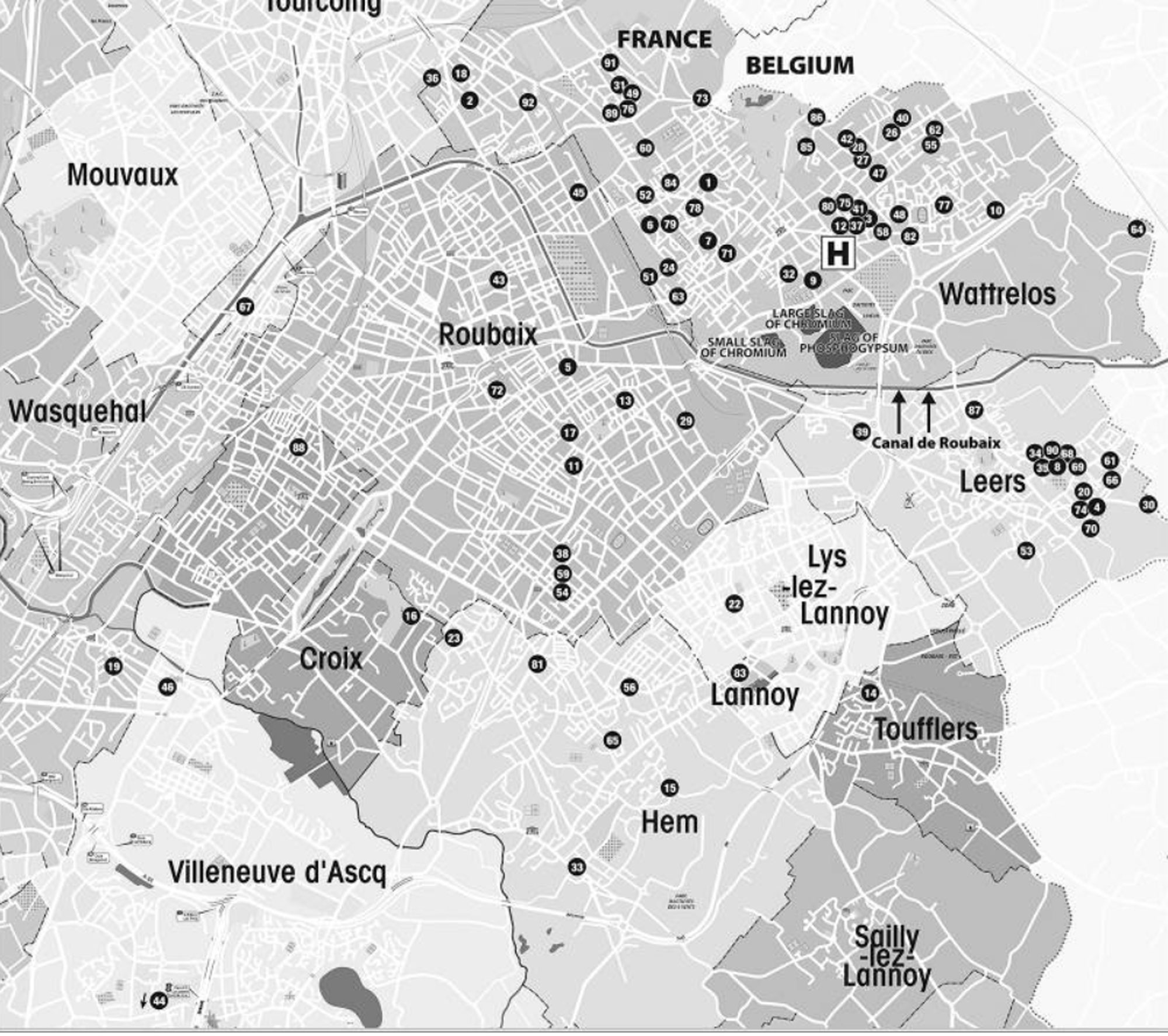
| 30/3/2021 | To describe a cluster of progressive supranuclear palsy (PSP) in northern France. PSP has not been reported in geographical, temporal, or occupational clusters. A unit of Neurology and Neurogeriatrics opened in 2005 at the Centre Hospitalier de Wattrelos, serving the population of Wattrelos and Leers (combined population 51,551) and parts of neighboring towns. For most of the 20th century, this area was a center for chromate and phosphate ore processing, textile dyeing, and tanning. Significant industrial waste persists close to residential areas. (92 people in a population of 51,000) | |
| 30/3/2021 | https://rwjms.rutgers.edu/departments/neurology/divisions/movement-disorders/overview
PSP Research Fund of Rutgers University |
|
| 30/3/2021 | A geographical cluster of progressive supranuclear palsy in northern France
20210330R-DO-NCBI-psp-wattrelos https://www.ncbi.nlm.nih.gov/pmc/articles/PMC4617163/ Conclusion: We have identified a cluster of PSP in a geographical area with severe environmental contamination by industrial metals. Progressive supranuclear palsy (PSP) is an uncommon sporadic disorder with no reports in the literature of geographical clusters. Its incidence in developed countries is approximately 1.2 per 100,000 per year and the prevalence of investigator-diagnosed cases is 5 to 6 per 100,000. Wattrelos is a town in northern France where textile dyeing plants and tanneries operated for most of the 20th century, using arsenic and chromate from the nearby chemical plants. Arsenic and hexavalent chromium contamination have been documented in the soils of the sites of former plants in Wattrelos and Leers,24 where the cluster of PSP cases described in this report live. Misdiagnosis - have been misdiagnosed as Parkinson disease or diffuse cerebrovascular disease. The cause of the cluster will be the subject of subsequent studies. Suspicion must first be directed at the site just south of the center of Wattrelos, where large heaps of spent ore (slag) from now-defunct metals extraction industry are located. Other locations in the immediate area may have been contaminated by the numerous textile-dyeing and leather-tanning plants that used metals in their processes. Many residents of the area raise fruits and vegetables in vegetable gardens and allotments for family consumption and for sale at local markets. Some plant products such as thyme commonly grown in home gardens in Wattrelos are consumed by its residents and have been found to concentrate arsenic and other toxic
metals.
|
|
| 30/3/2021 | L Golfe handout out for conference | |
| 30/3/2021 | search team: cancer
cluster minimum number
A cluster is the occurrence of a greater than expected number of cases of a particular disease within a group of people, a geographic area, or a period of time. https://www.ncbi.nlm.nih.gov/pmc/articles/PMC1891770/
|
|
| 30/3/2021 | Environmental and Occupational Risk Factors for Progressive Supranuclear Palsy: Case-Control Study
https://movementdisorders.onlinelibrary.wiley.com/doi/abs/10.1002/mds.26512 https://www.ncbi.nlm.nih.gov/pmc/articles/PMC4861658/ CONCLUSION - We did not find evidence for a specific causative chemical exposure; higher number of years of drinking well water is a risk factor for PSP. This result remained significant after adjusting for income, smoking, education and occupational exposures. This is the first case‐control study to demonstrate PSP is associated with environmental factors. © 2016 International Parkinson and Movement Disorder Society A study of PSP in the general population found that it was linked to environmental factors. |
|
a google search of progressive supranuclear palsy cluster
| 5/4/2021 | https://dizziness-and-balance.com/disorders/central/movement/psp.htm
An illness resembling PSP is very common in Guam, sometimes in association with ALS (amyotrophic lateral sclerosis) and dementia. The cause of Guamanian PSP is unclear although it has been attributed to unusual dietary factors, possibly interaction with genetic factors (Cox and Sacks, 2002). Genetic factors do not appear to contribute substantially to the epidemic of PSP in Guam which "remains enigmatic" (Steel et al, 2015). Regarding diet, a high prevalence of PSP like illness has been found on the island of Guadeloupe in the French West Indies (Caparros-Lefebre, 1999). In this population, it is suspected that a PSP like illness is related to ingestion of native teas called "soursop" and "sweetsop", both of which are forms of the "custard apple". A toxin present in the diet of the Chamorros in Guam, i.e. cycad seeds, BMAA, has been shown to induce similar brain pathology to PSP in animals (Cox et al, 2015). The references on this page included. Bower JH, Maraganore DM, McDonnell SK, Rocca WA. Incidence of progressive supranuclear palsy and multiple system atrophy in Olmsted County, Minnesota, 1976-1990. Neurology 1997:49:1284-1288 https://pubmed.ncbi.nlm.nih.gov/9371909/ this looked to be a general study on the incidence of PSP in this region. I found no other geographical references apart from the previously mentioned Guam & G'loupe
|
|
| overlapping
co-morbidity |
2PSP is one of the "tauopathies" which also includes corticobasal degeneration, Picks disease, Frontotemporal dementia, primary progressive aphasia, and several others. PSP in particular has a 4-repeat tau (4RT) that accumulates in the basal ganglia, brainstem and cerebellum. These disorders can overlap with each other and recent investigators have split PSP into subtypes. PSP-RS was detailed in the NINDS, but now PSP can include PSP-parkinsonism, progressive gait freezing (PSP-PGF), as well as PSP-cortical (PSP-frontal and PSP-Corticobasal). (Jabbari et al, 2020).
PSP can overlap with MSA (multiple systems atrophy) as well, which is not a tauopathy but rather it involves accumulation of alpha-synuclein. |
|
| youtube video of French patient in Wattrelos with PSP - https://youtu.be/zqy-U2IPgEE | ||
| https://link.springer.com/article/10.1007/s100720170065
Epidemiology of progressive supranuclear palsy Recently, a cluster of PSP and atypical parkinsonism has been observed in French Antilles [Guadeloupe]. The hypothesis is that a consumption of both tropical fruit and herbal tea may be associated with PSP onset. |
||
| Luxembourg | Luxembourg - CLICK
HERE
Conclusions: Our preliminary findings suggest a higher prevalence of PSP than expected. One The conclusion then references the Wattrelos paper by Caparros-Lefebvre
|
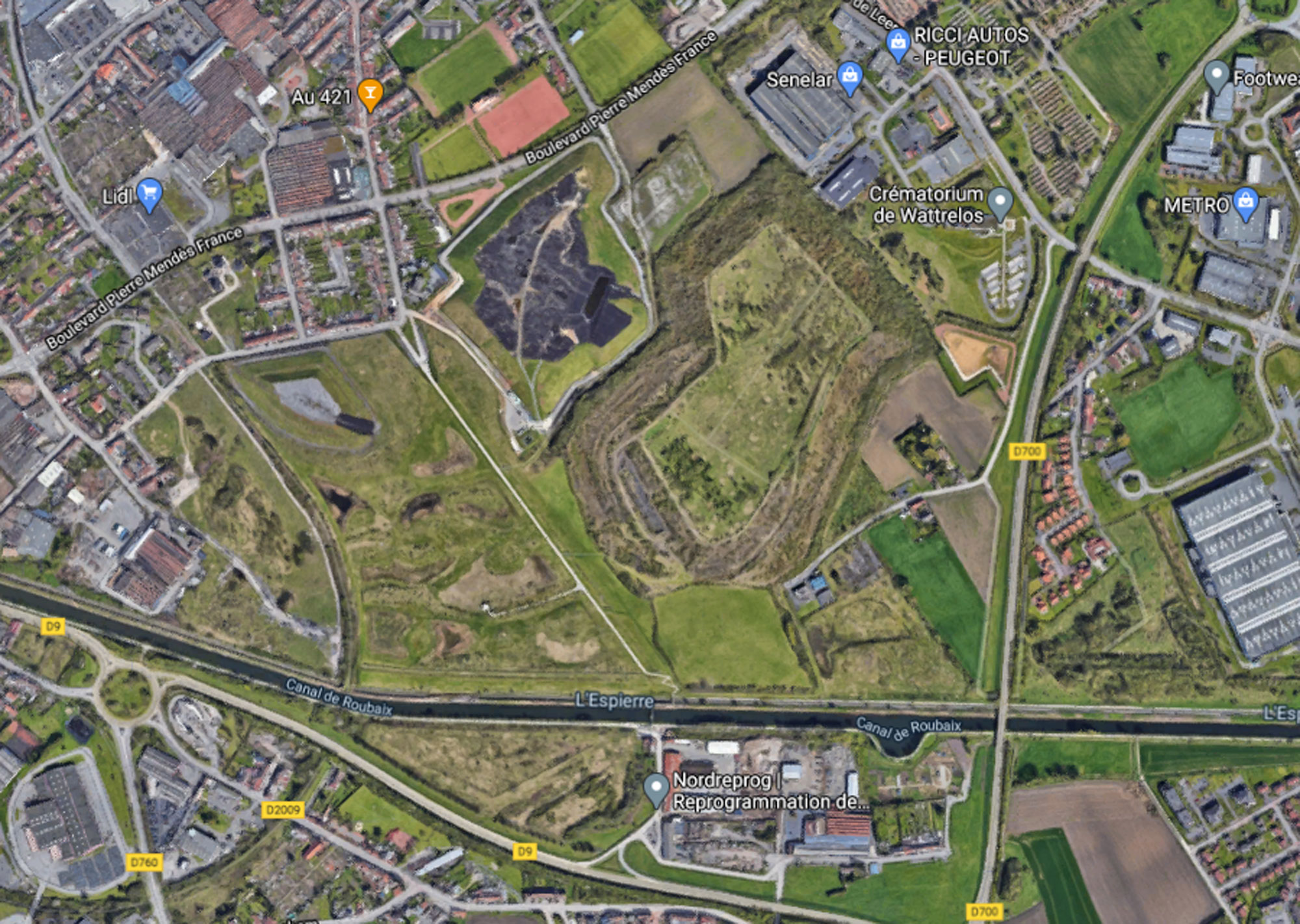
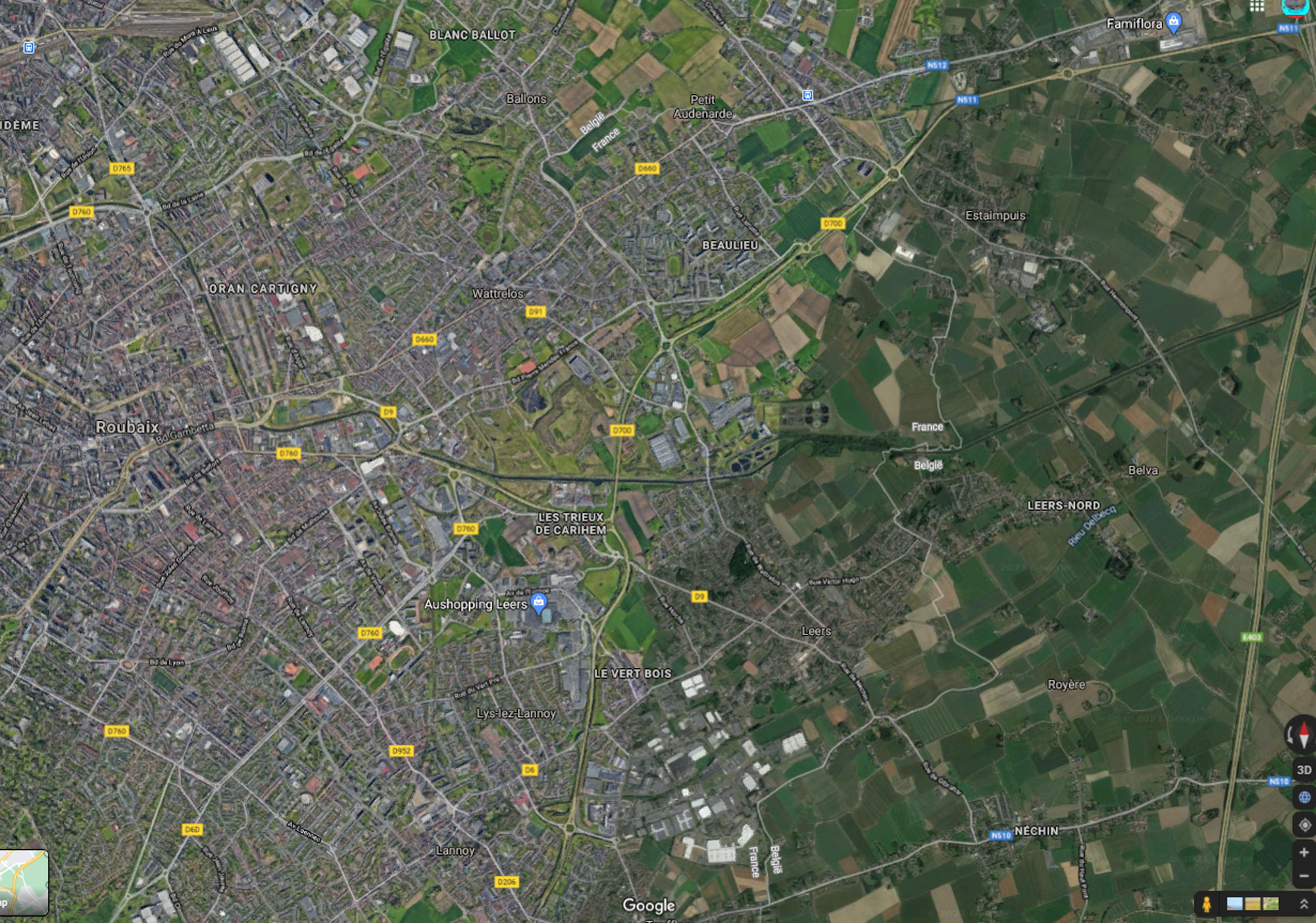
| wattrelos images etc
|
||
|
Search the website with Google |